
A couple of years ago we complained about traffic jams on Sheikh Zayed Road, but today the main problem was catching the alarm on time.
Life has turned into a strange hybrid of a futuristic metropolis and a front-line zone. The most amazing thing is how quickly the “emergency” became routine. We look at the lock screen, see a warning about a missile threat, and the first thought is not “we are all going to die,” but “I hope this doesn’t take too long, I have an important meeting in 15 minutes.”
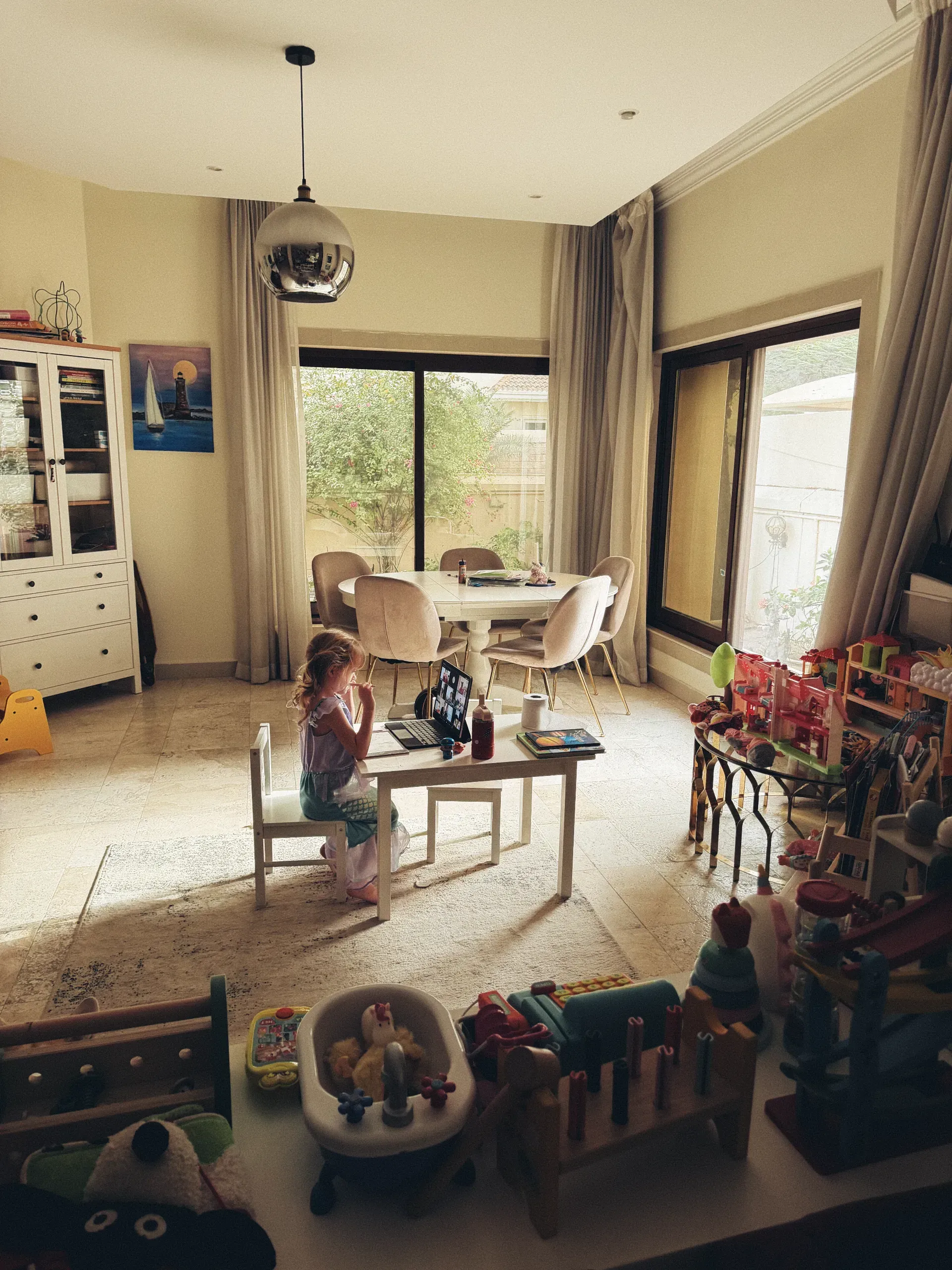
The house became the ultimate fortress, and a multifunctional one at that. In one room, dad is trying to keep a serious face remotely, while in the next room the children are taking another lesson in online school.
We have all become experts in the “safe zones” inside our own apartments, knowing by heart where the load-bearing walls are and whether we are away from the panoramic windows. Working remotely has gone from being a privilege to being the only way to support the economy and education when the skies above become unstable.
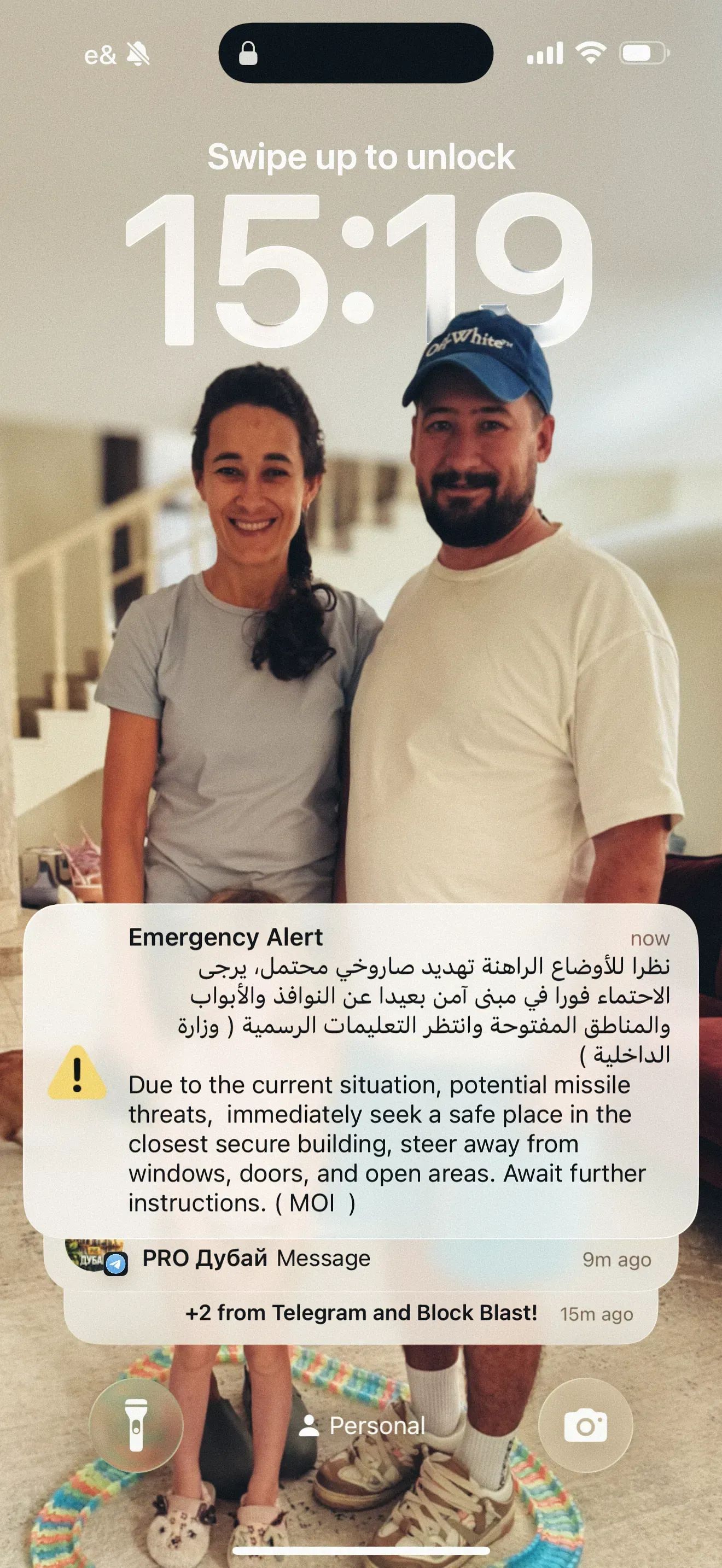
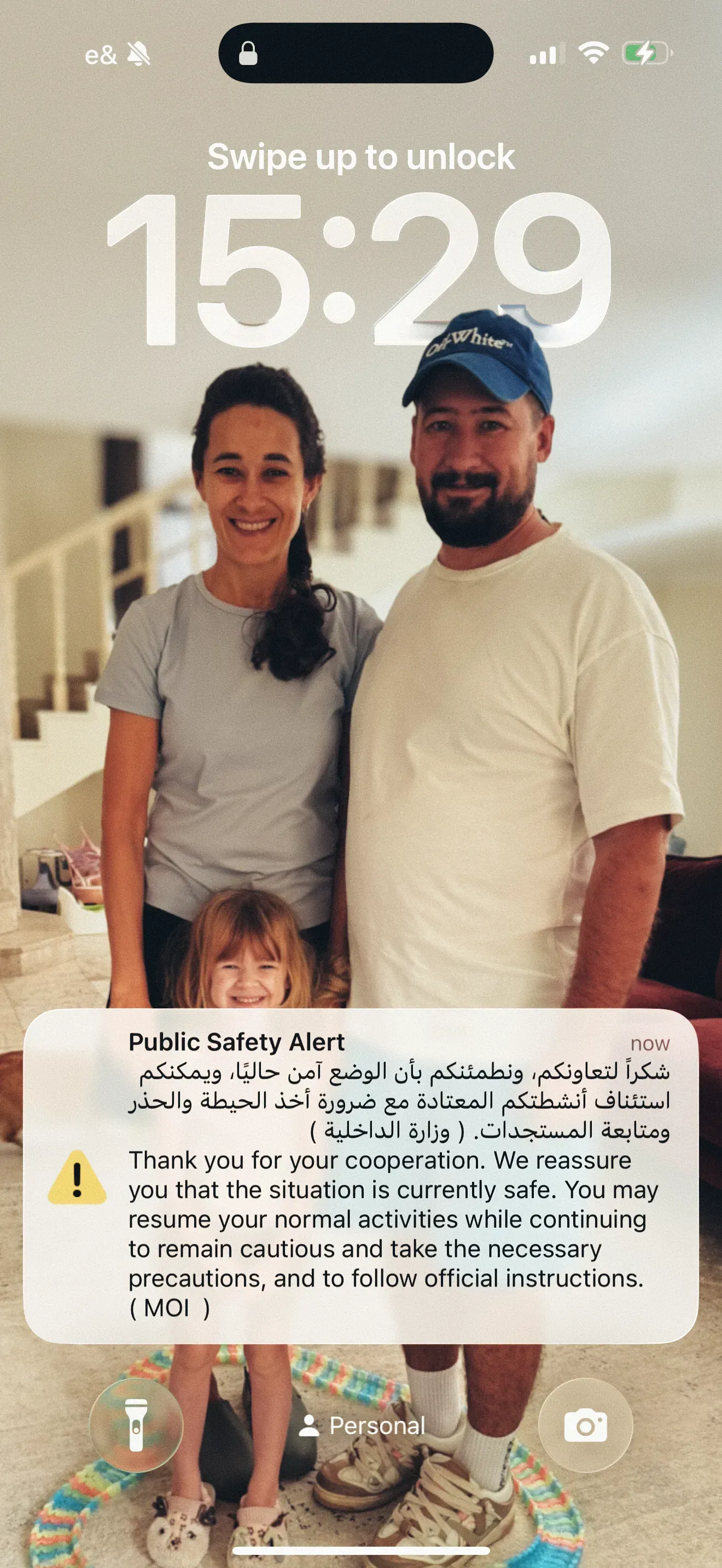
This Iranian attack on Dubai lasted only 10 minutes!
Despite the gravity of the moment, there is some strange unity in this. We are all in the same boat, locked in our cozy “bunkers” overlooking the Burj Khalifa or cozy local villas in Umm Suheim.
Yes, it's scary. Yes, this is not the future that we were promised in commercials. But we continue to work, study and even joke in chats between alerts. We're used to it. And, perhaps, this is our main victory - not letting fear stop ordinary, albeit “remote” life.


Discussion