
September 2018 – September 2019
Product designer
🫡Worked at Wallarm from September 2018 to September 2019 product designer
Work process
I started “debottling” the Wallarm product, a cybersecurity platform for protecting APIs (application programming interfaces) and web applications.
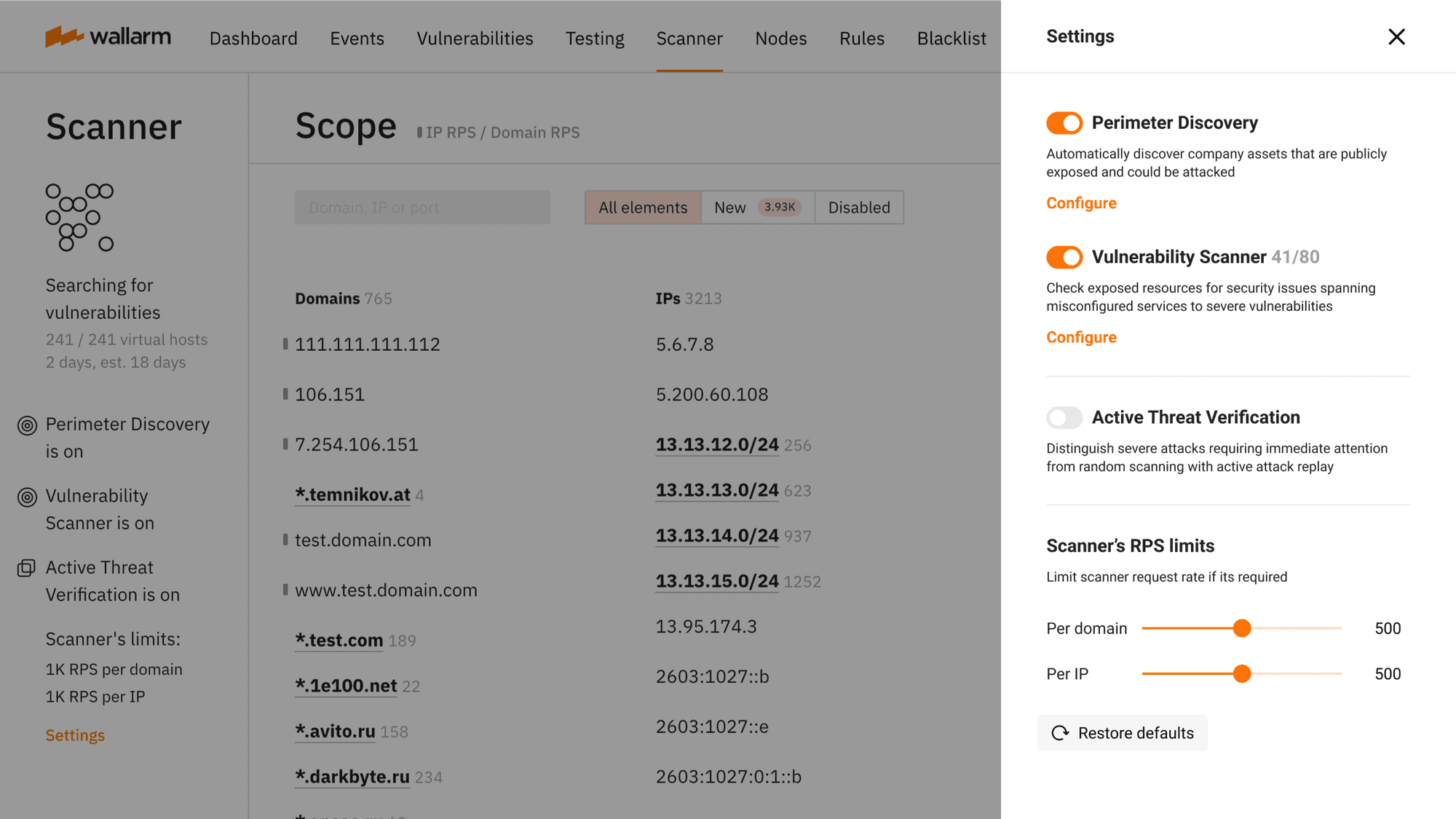
Rebuilt UX logic (user experience), cleaned up the old UI (user interface) and at the same time launched a full-fledged design system: a library of components + a system of semantic tokens, synchronized with the frontend.
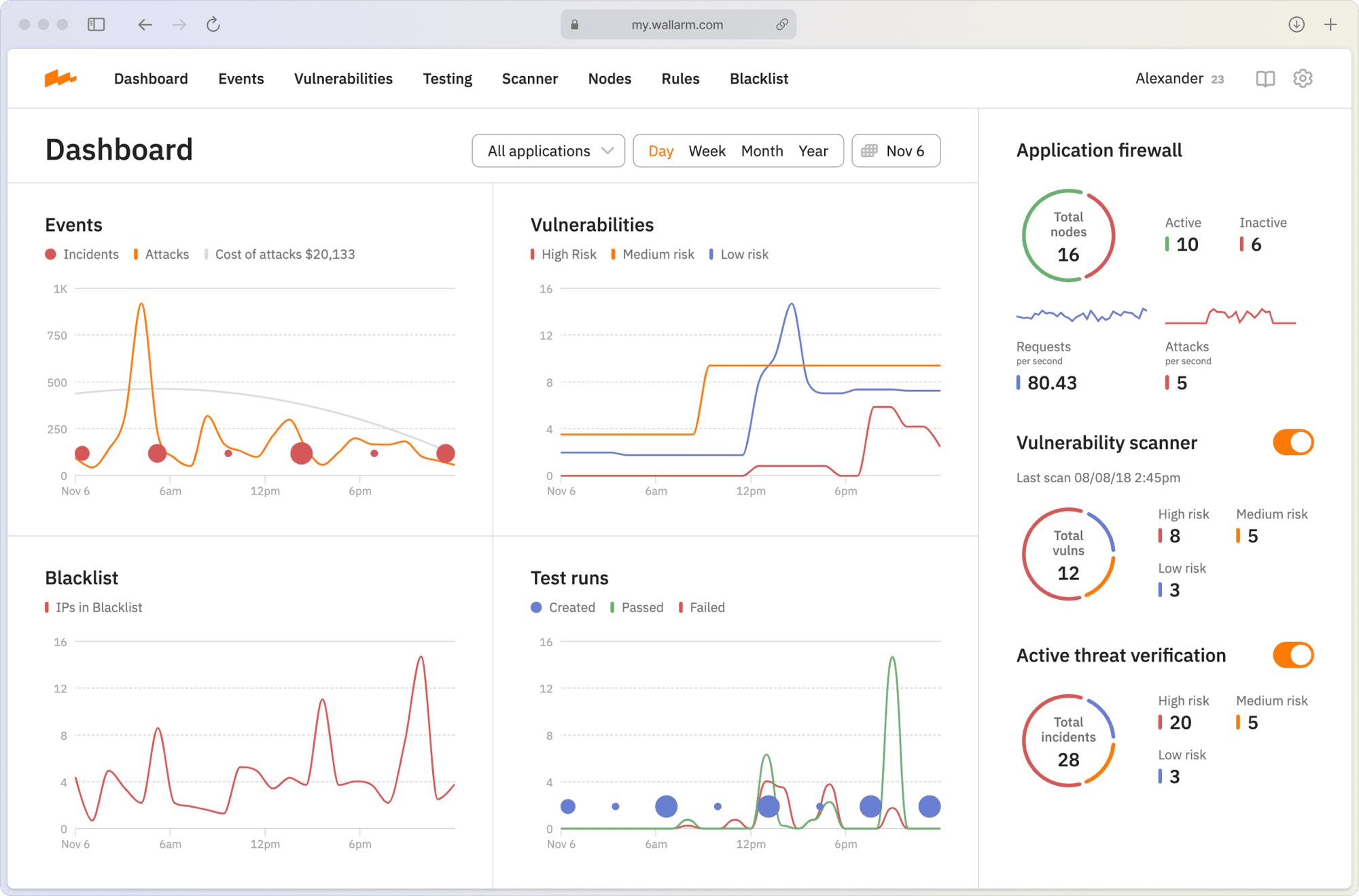
In cybersecurity, the key is to quickly distinguish noise from signal. I focused on the flow of incidents: from raw traffic and alerts to a clear picture of the attack, its priority and the next action. The interface has become “operator-like”: fewer clicks, better overview, clear statuses and response scenarios.
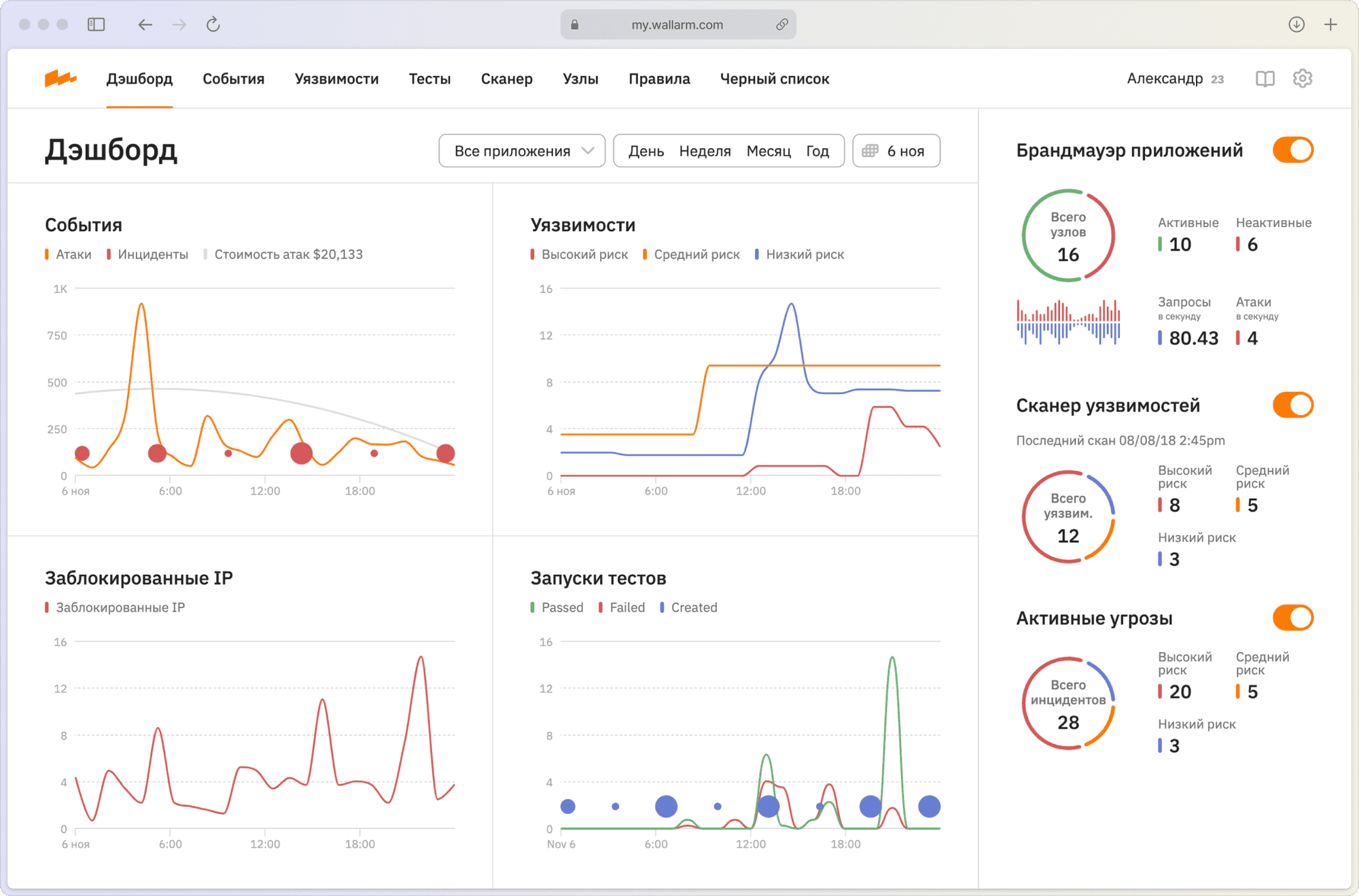
What did you do about the product?
- UX refactoring: reworked navigation, triage and incident prioritization scenarios, assembled a single route “observation → incident → response.”
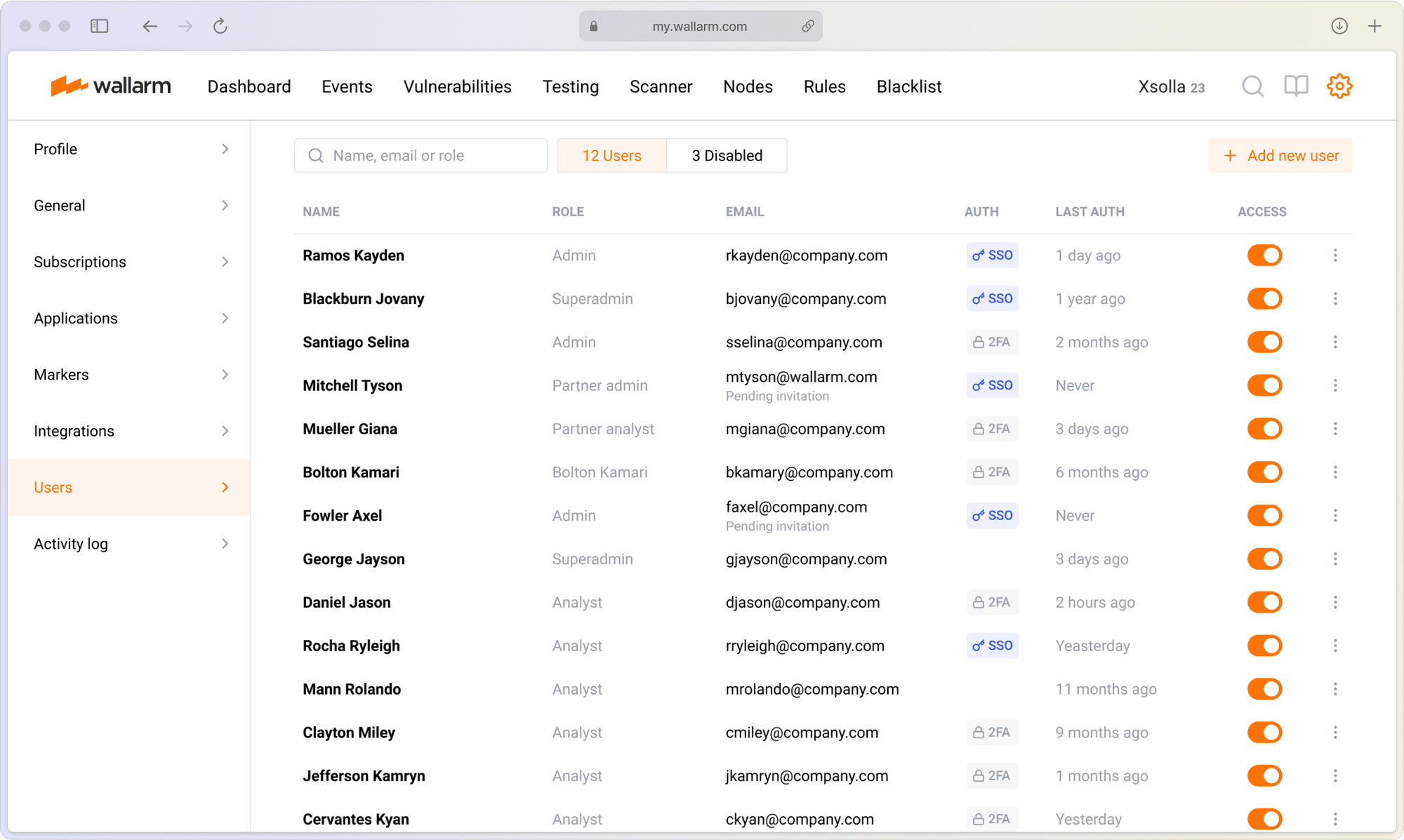
- UI redesign: unified tables, cards and event timelines, added skeletons, empty states and predictive tips.
- Design system: collected a library of components (tables with aggregations, filters, policy-editor, logs, diffs, YAML/JSON-viewer), described states and variations.
- Semantic tokens: colors, shadows, borders, typography, interactivity - through tokens exported to the front (CSS variables/TypeScript) so that design and code remain in sync.
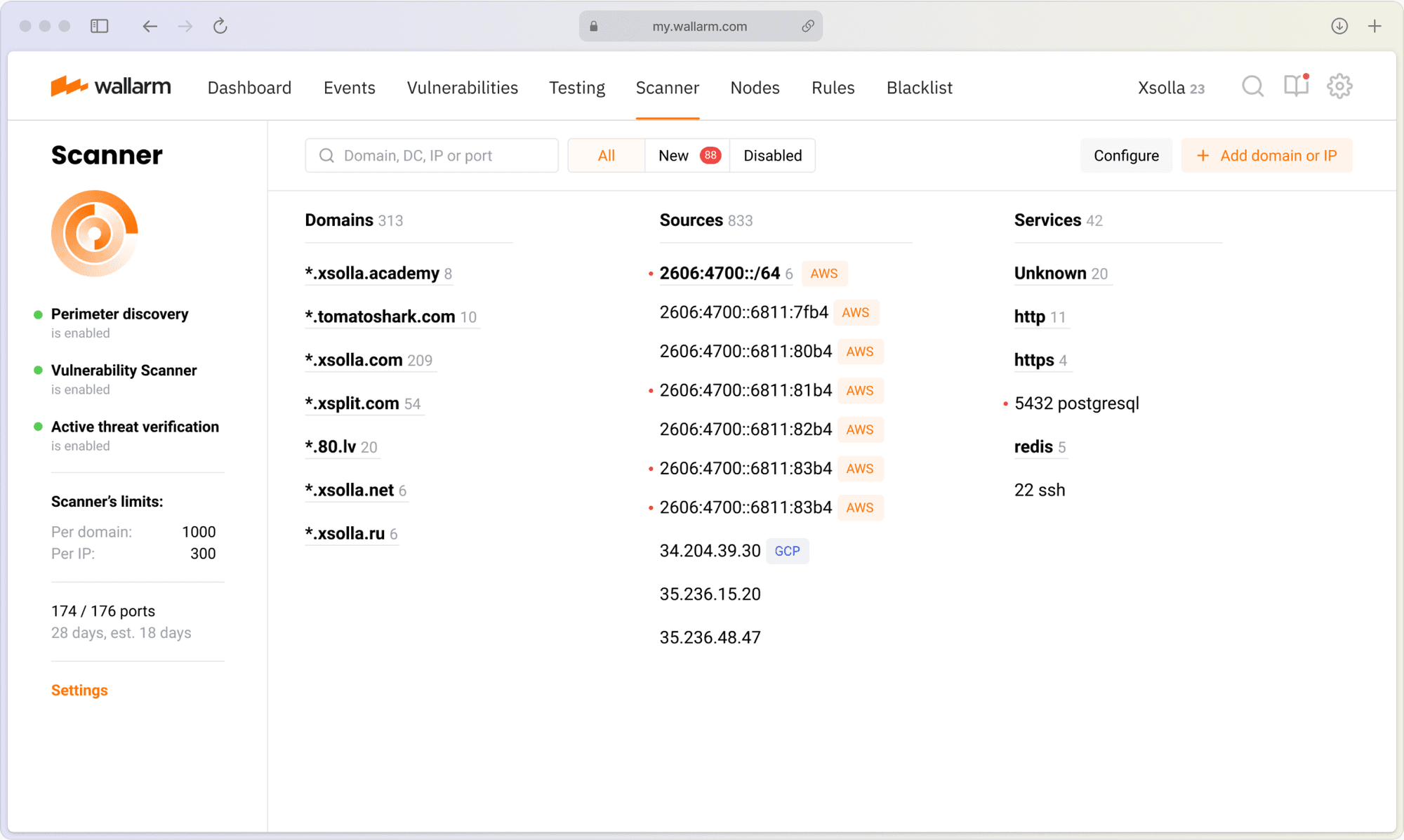
- Visual analytics: readable graphics, status badges and risk marks to quickly see What happened and what to do next.
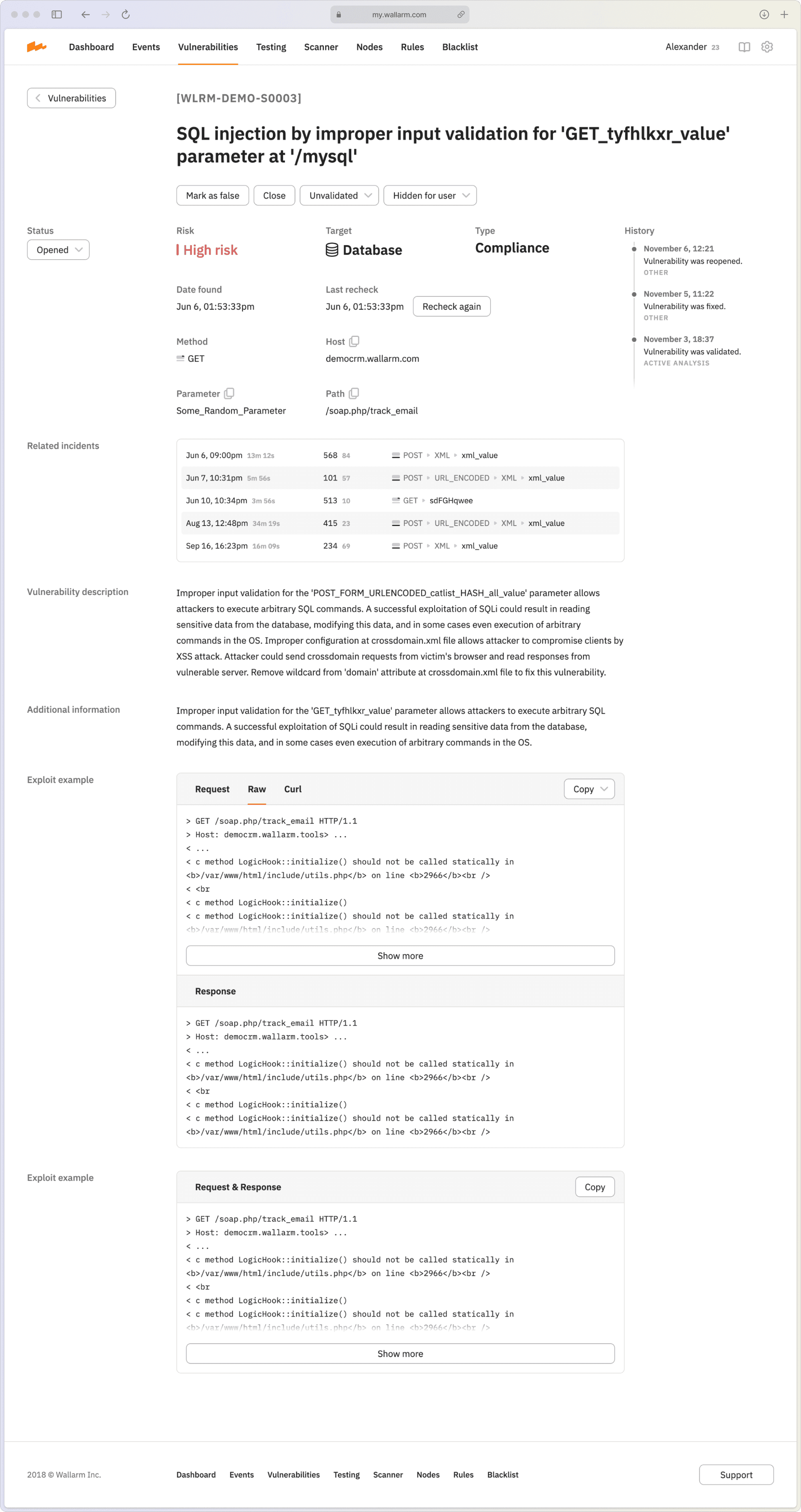
Bottom line
The interface has become faster to use and clearer for security teams: less friction during triage, a smooth visual system, a common language of components between design and frontend.
The project turned disparate screens into a holistic tool that helps not just detect attacks, but manage the response.
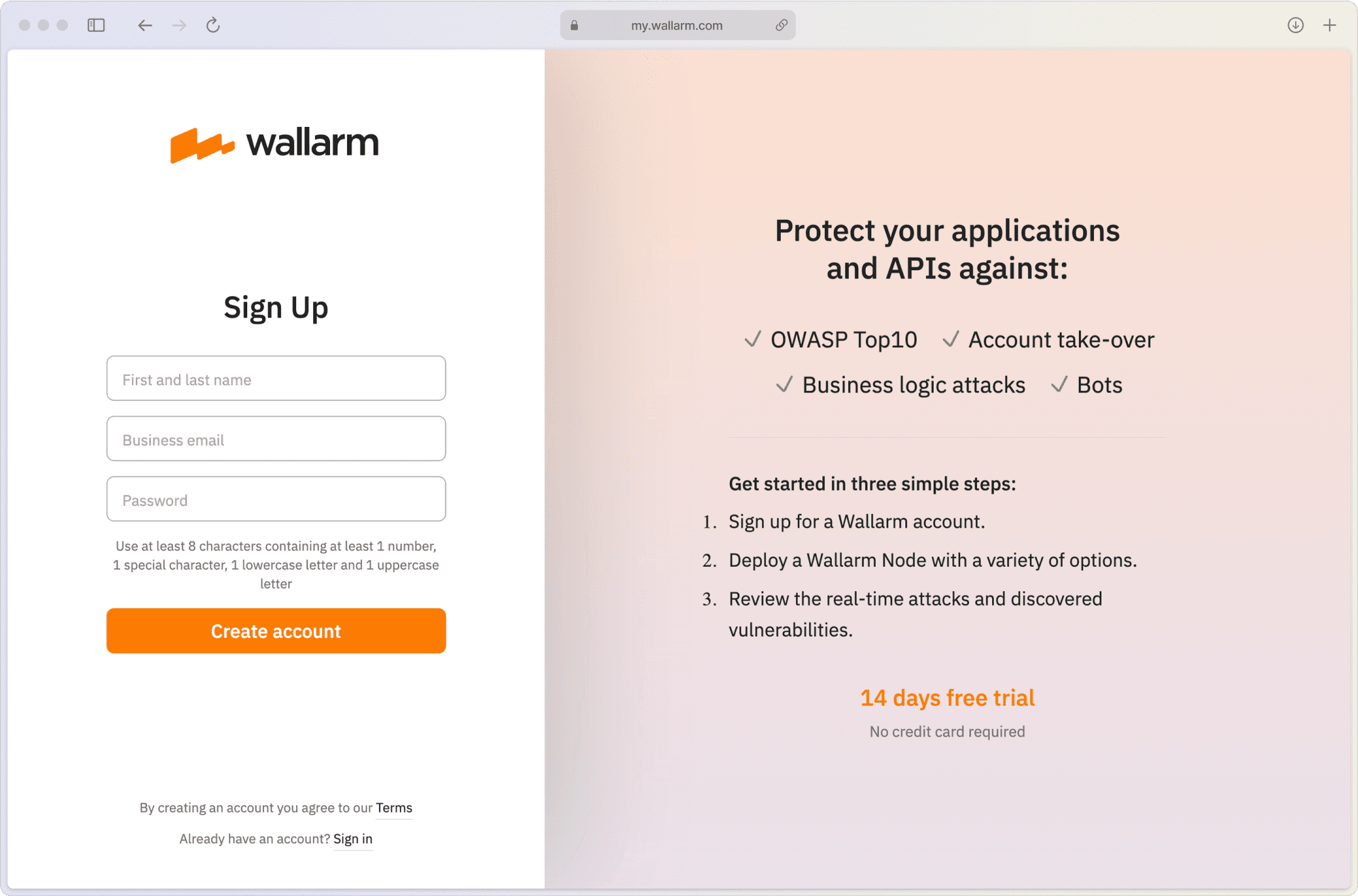
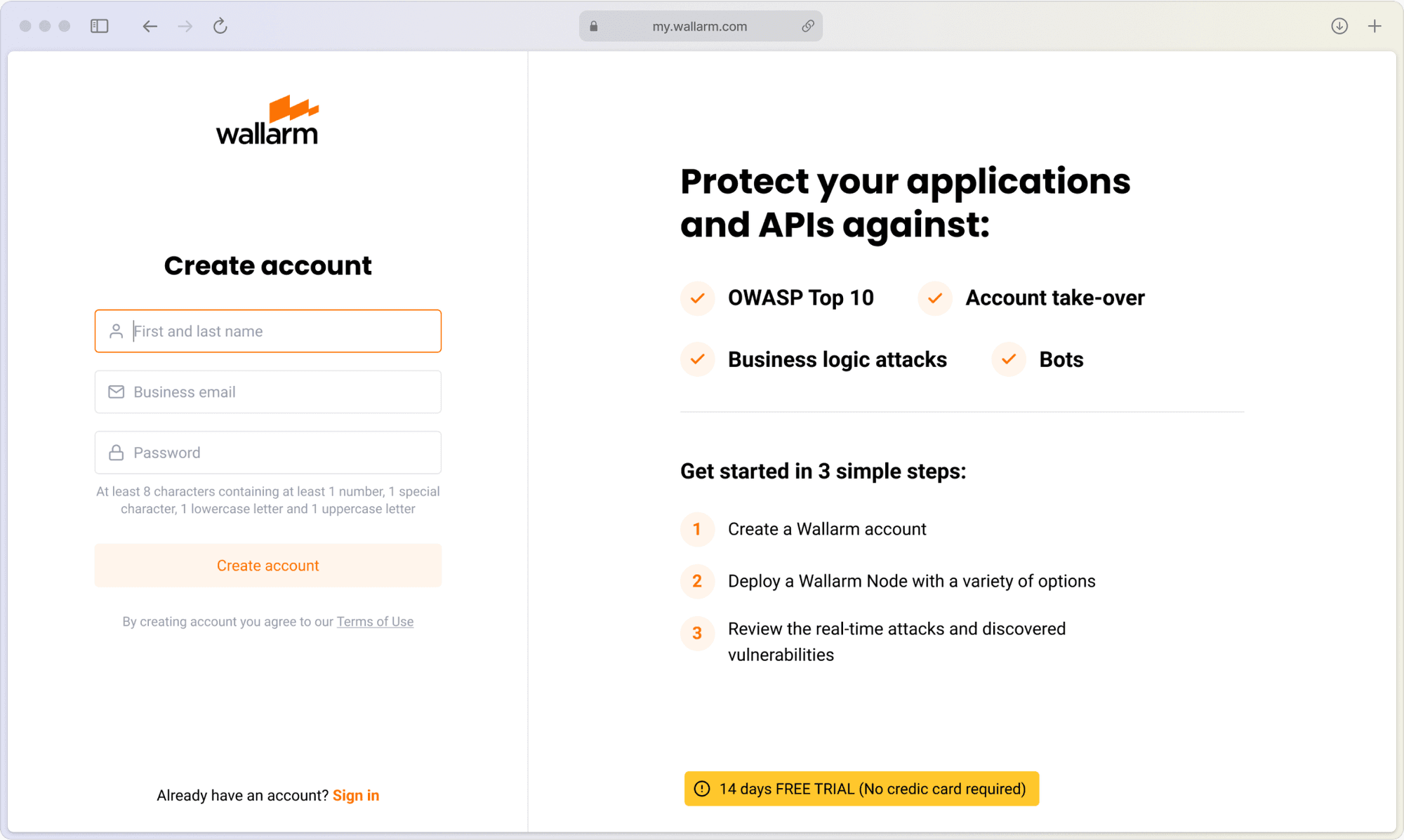
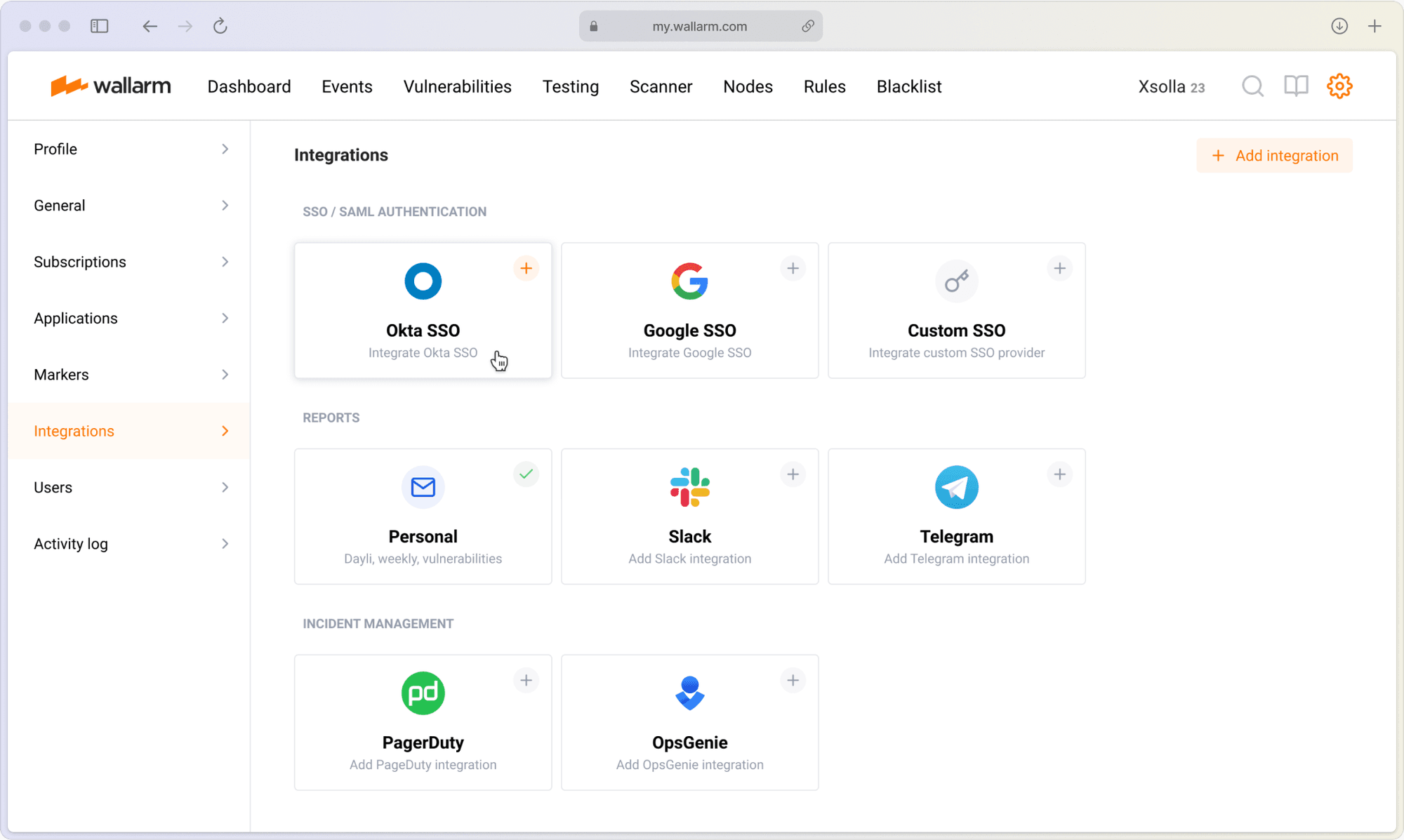
Some more screens:


Discussion