
September 2012 – September 2017
Design Director
💡I worked on EMIAS from September 2012 to September 2017 - that’s almost 5 years of my life, but in general, it was worth it!
Next there will be the author's text and pictures, but only those that I could find in the archives to show what we roughly did.
Scope and role
For five years I was responsible for design at EMIAS. INFO — Moscow Unified Medical Information System. Launched a full-fledged design function from scratch, grew the team to 12 designers, set up processes and made sure that the interfaces for doctors and patients were uniform, fast and understandable. This was not “beauty for beauty’s sake”, but industrial UX under the load of the city.
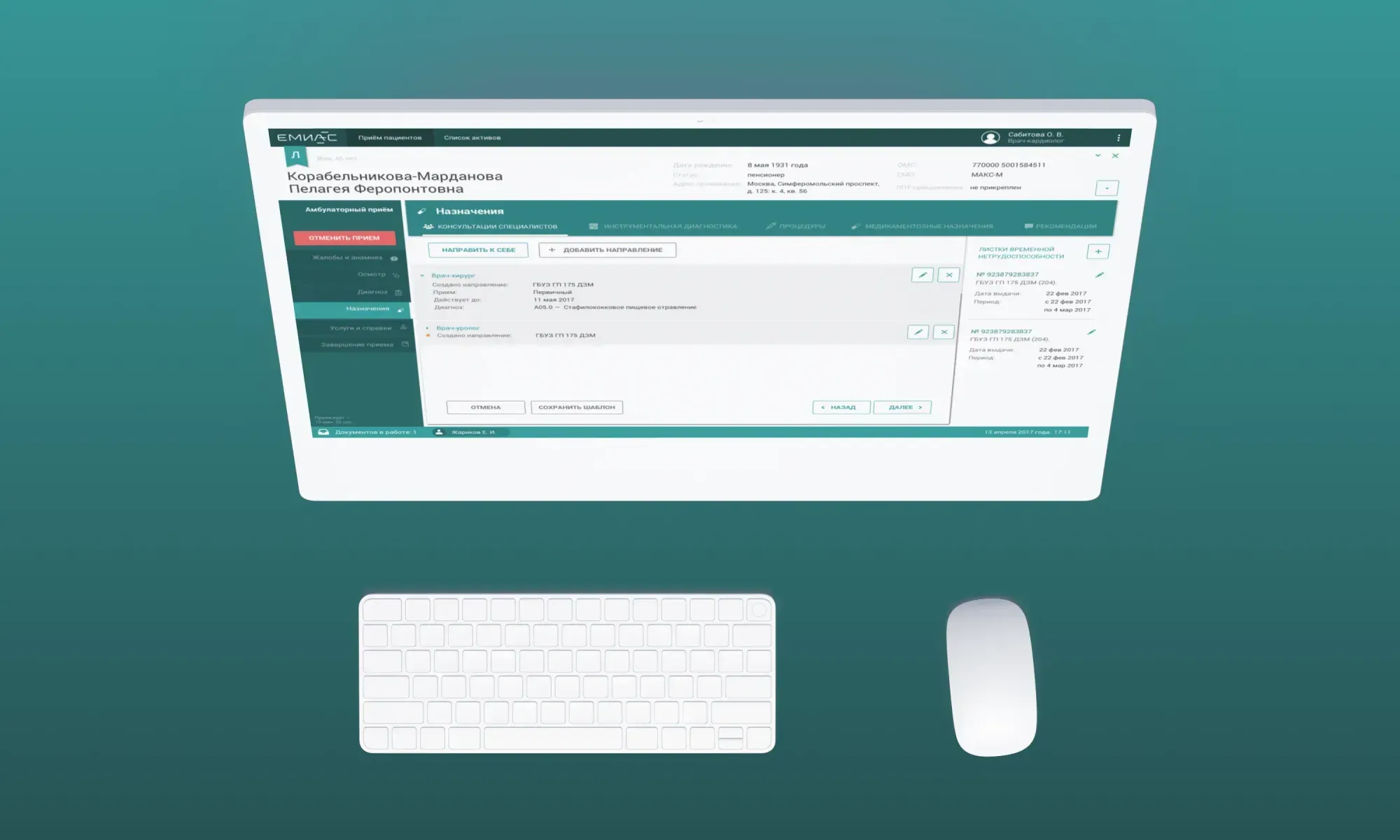
Start from chaos
When I arrived, the products each lived their own lives: different patterns, incompatible libraries, local “reinvention of the wheel.” I assembled the core of the team, introduced planning, review and quality metrics, distributed roles - from product and interaction design to visual and prototyping. We set up kanban, syncs with development and analytics, agreed on a “common language” - and the release rate acquired a predictable rhythm.
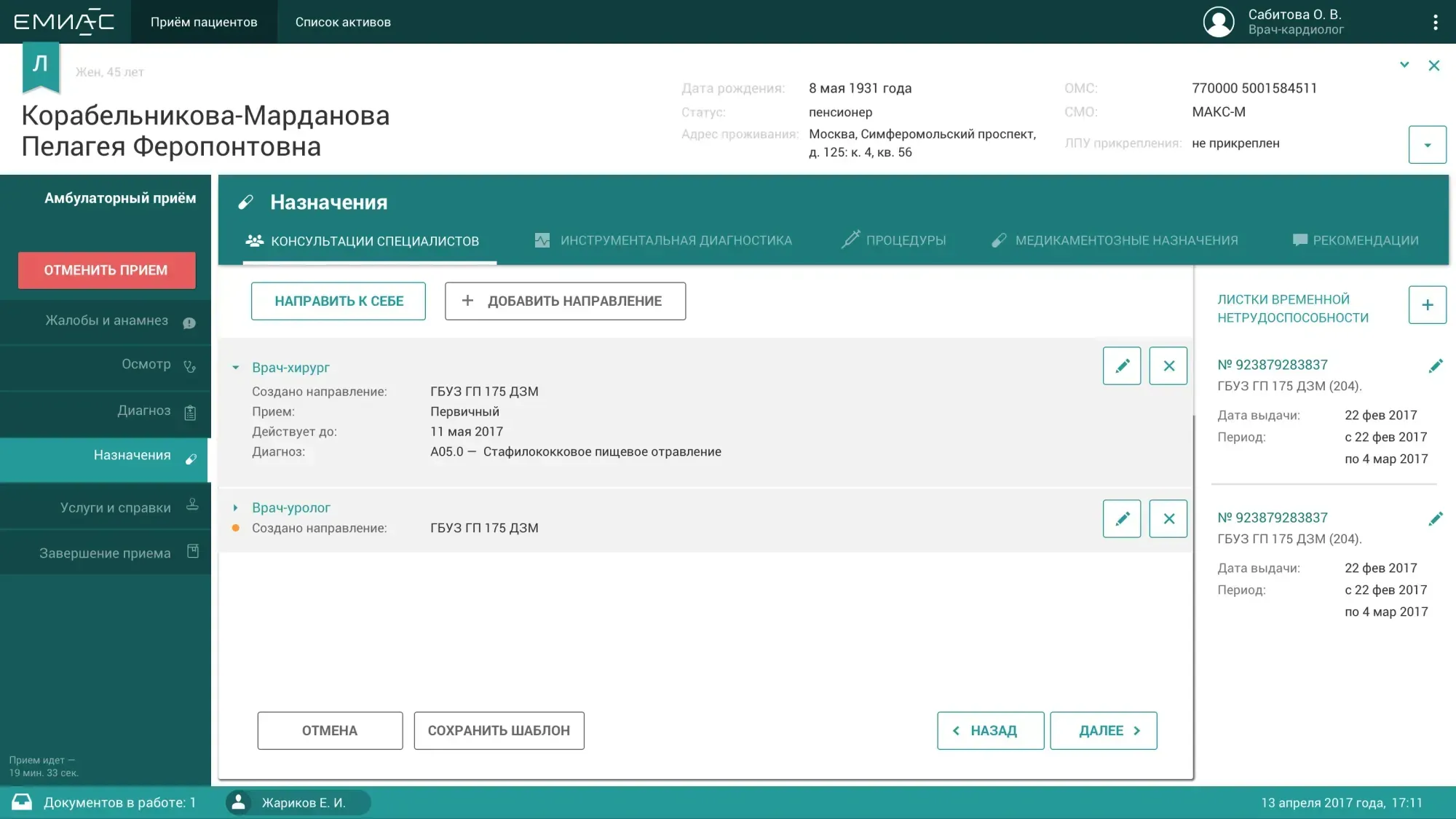
EMIAS UI - one source of truth
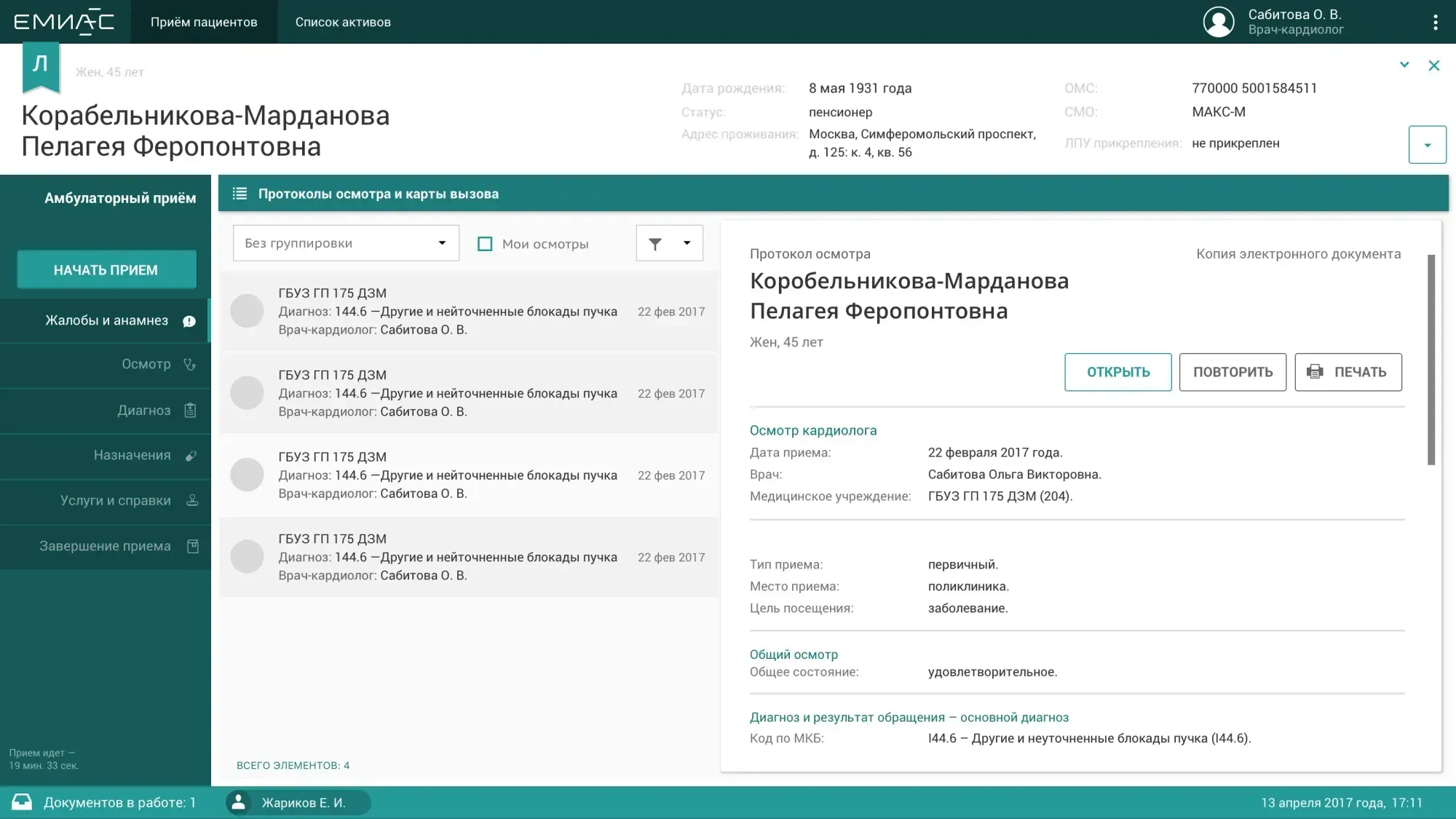
Next comes systematic work. We have developed EMIAS UI: a design system with tokens, guidelines and a general UI kit in Figma. One source of truth, one library for all modules - from the registry to diagnostic rooms.
This eliminated the synchronization between teams, reduced the time for approvals and reduced the cost of support: the pattern is corrected once and the entire zoo of interfaces is updated.
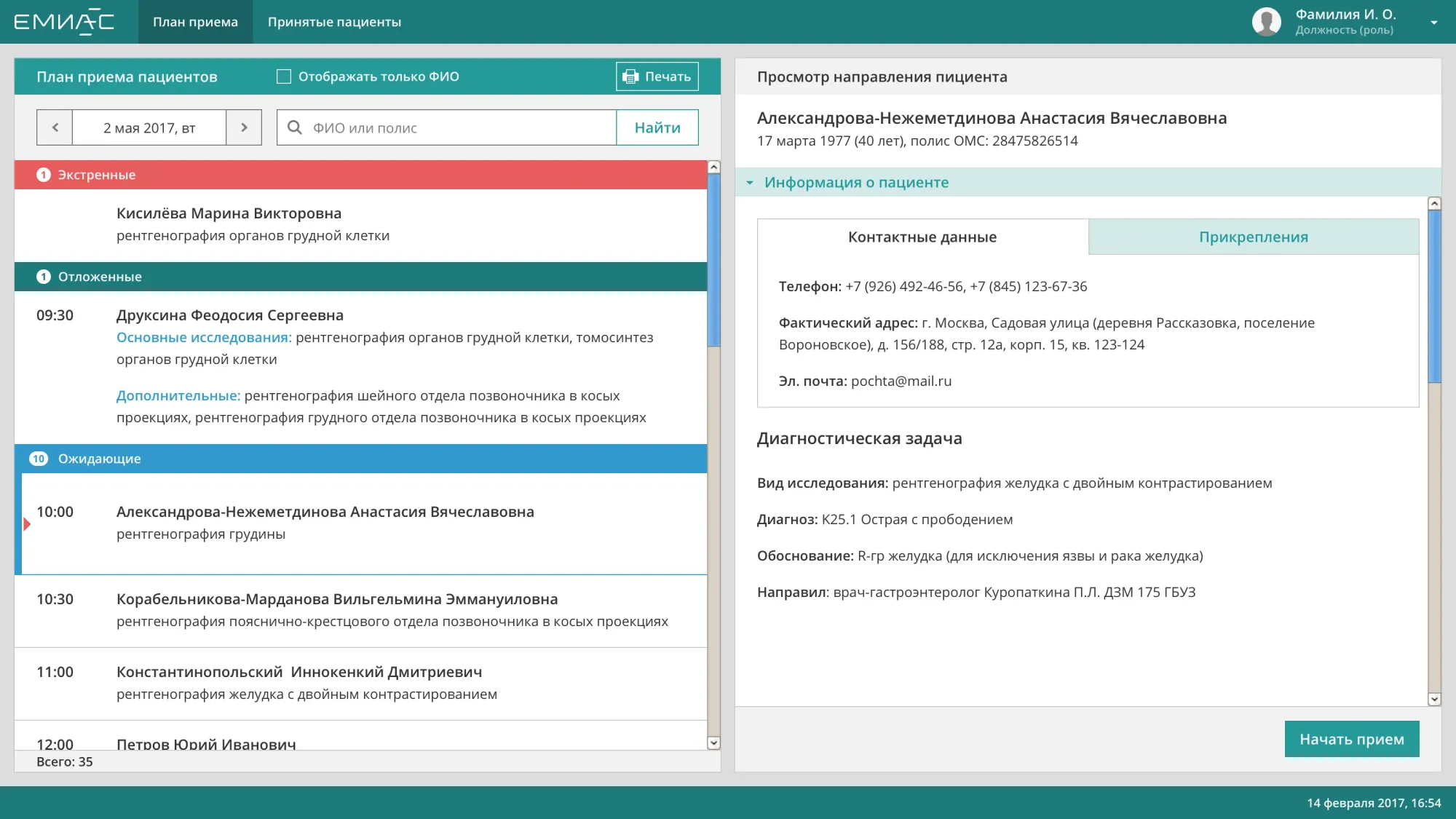
Doctors' workstations and mobile applications
Key front - Doctors' workstations (automated workstations): schedules, reception, appointments, laboratory, research, integration with equipment. We transferred them to the new interface without stopping the processes: we drew scenarios, ran highly detailed prototypes, took into account errors and “edge” cases, thought about accessibility and work on old hardware.
At the same time we brought to mind mobile applications — navigation architecture, states, empty and loading screens, competent work with notifications. For managers - KPI dashboards, where you can see a live picture of the departments.
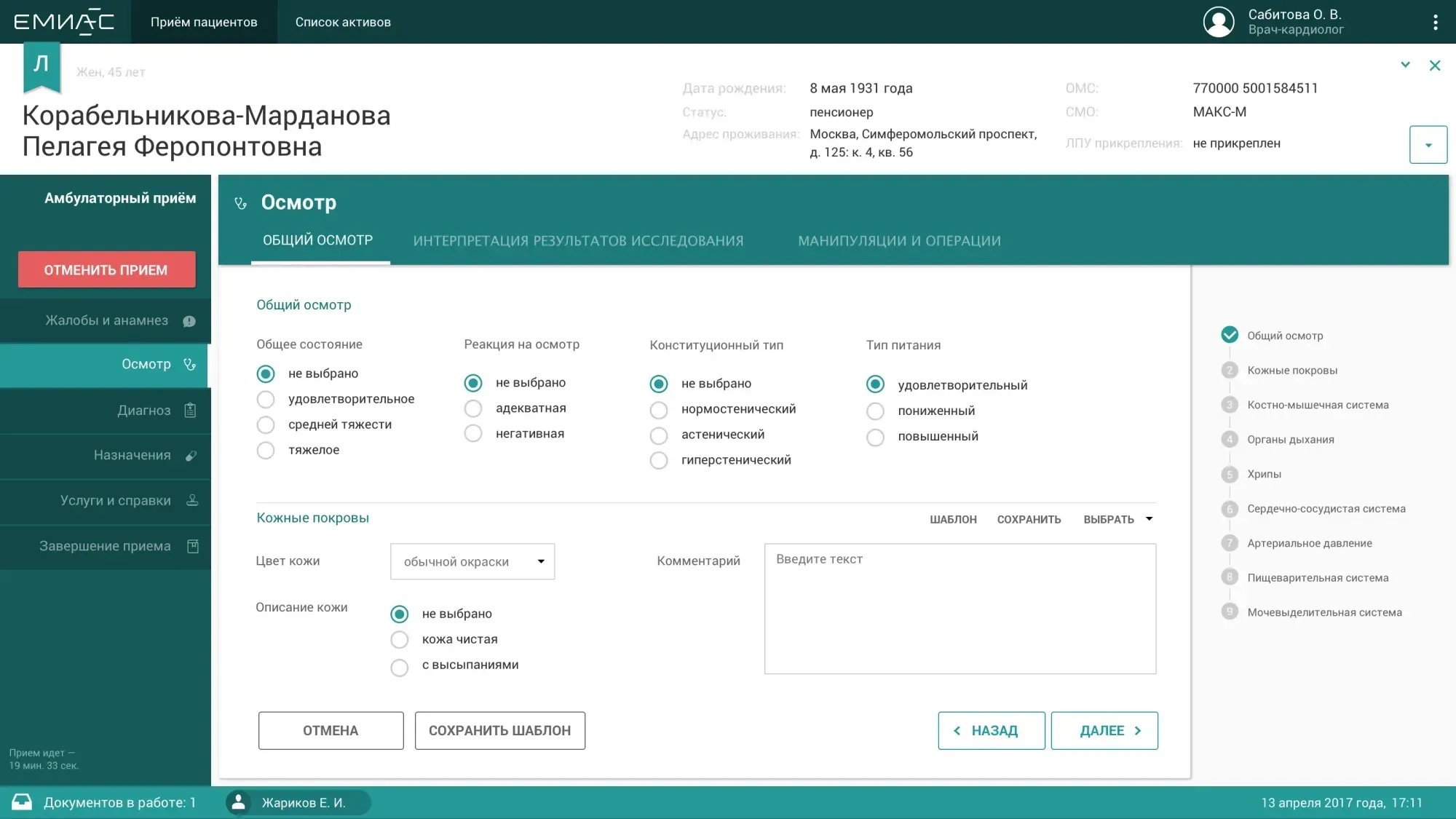
Processes and team
Management is a separate task. I planned the workload of people, led hiring and onboarding, mentored, set product goals for the quarter and defended priorities. I worked a lot at the interface - together with products, development, analysts and medical experts.
Connected to presales, collected demos and defense presentations (including large consortia - Lanit Group, Vizex, Solit Clouds), helped with identity and a unified visual style for project showcases.
Another pack of interfaces - just to see what happened)))
Result and value
The result is that instead of “putting pieces of paper on the screen,” we have grown sustainable digital system with a single visual and script standard.
It’s easier for new employees to learn, complex operations are completed faster and without a cognitive quest, and support doesn’t turn into an endless patch of pixels.
The most pleasant feedback is when the doctor opens the interface and... doesn't notice the design. This means everything works as it should.
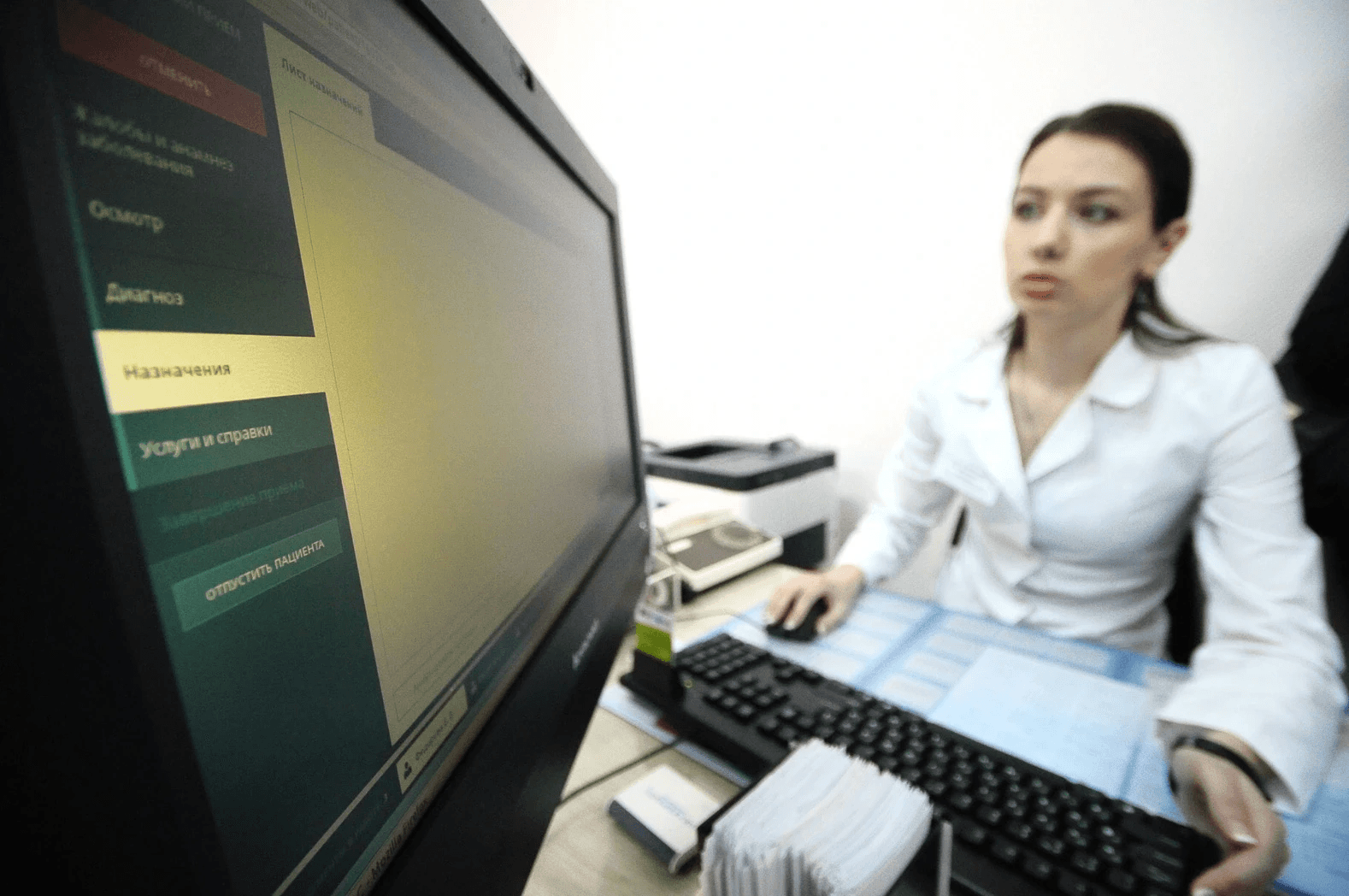
EMIAS taught me the main thing: design in public services is not about spectacular pictures, but about responsibility on a city scale. About discipline, standards and thousands of small decisions that make up reliability. And yes - we did it!


Discussion